


Words: Andrew Nguyen
Neck strength is an often-neglected aspect of training. A balanced approach includes both isometric strength—resisting movement while holding a position—and strength through a controlled range of motion.
A stronger neck can help you maintain posture when an opponent pulls on your head or gi inside the guard. Head position also matters during takedowns: where the head goes, the body often follows. Strength work supports technique, but it is not a substitute for sound defense or tapping early to a submission.
Training note: This is a strength-training article, not a treatment plan for neck pain. Weighted neck exercises require particular care and are not an appropriate starting point for everyone. Have a qualified professional assess your technique and suitability before adding load. Stop if an exercise causes pain, dizziness, tingling, or other unusual symptoms, and seek medical advice for persistent symptoms or an injury.
The Anatomy
The neck contains several muscle groups that produce different movements. Flexors bring the chin toward the chest; extensors lift the gaze upward; rotators turn the head from side to side; and lateral flexors move the ear toward the shoulder.
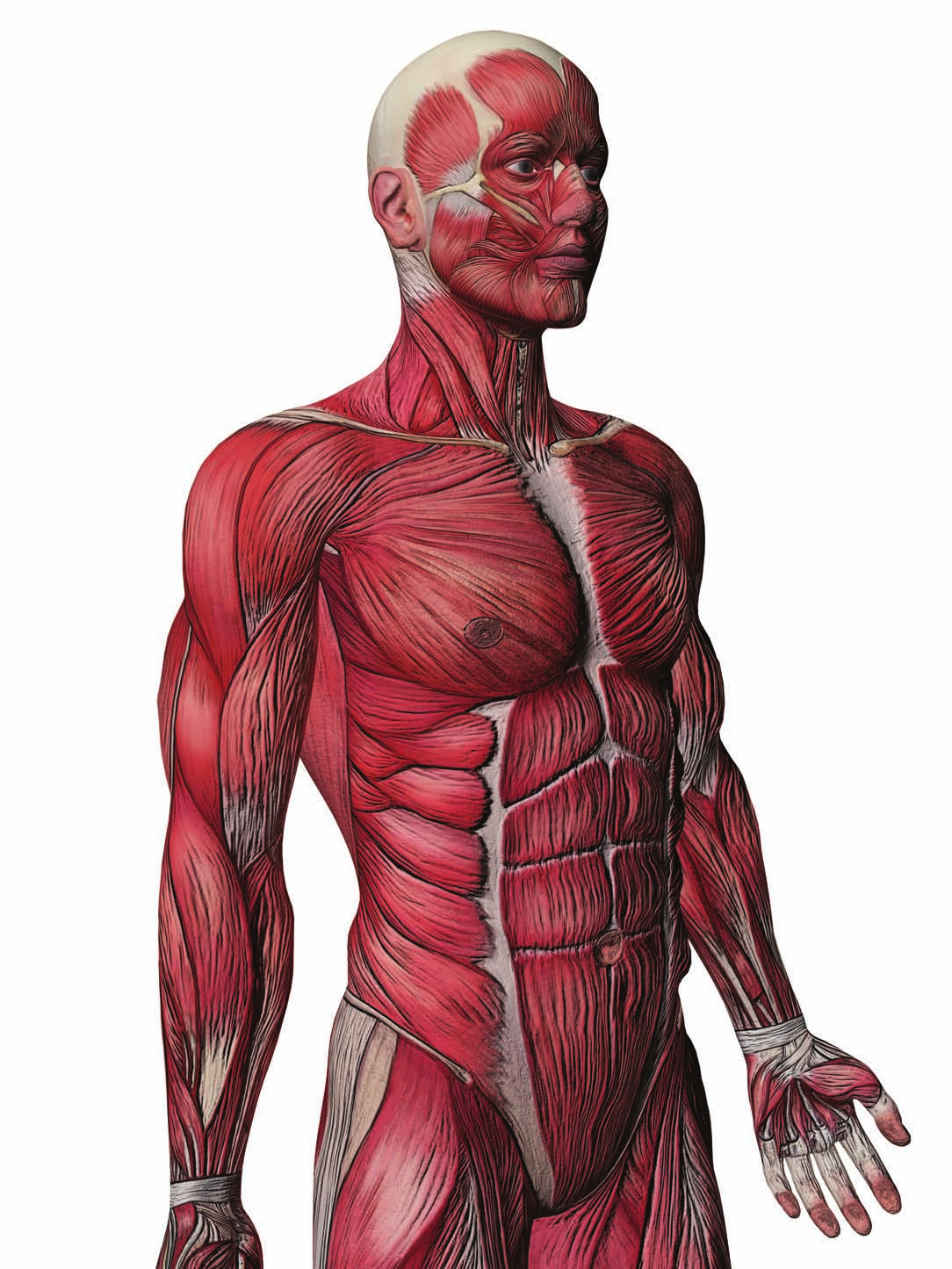
Flexors include the longus capitis, longus colli, and infrahyoid muscles. Extensors include the semispinalis capitis, splenius capitis, suboccipitals, and trapezius. Rotators include the splenius capitis, sternocleidomastoid, suboccipitals, and levator scapulae. The scalenes contribute to lateral flexion. These groups have overlapping roles rather than only one function each.